

Commentary
Beijing regulated AI—and then Chinese AI companies took off.
Matt Sheehan
{
  "authors": [
    "Paul Haenle",
    "Evan S. Medeiros"
  ],
  "type": "questionAnswer",
  "centerAffiliationAll": "",
  "centers": [
    "Carnegie Endowment for International Peace",
    "Carnegie China"
  ],
  "collections": [],
  "englishNewsletterAll": "",
  "nonEnglishNewsletterAll": "",
  "primaryCenter": "Carnegie China",
  "programAffiliation": "",
  "programs": [],
  "projects": [],
  "regions": [
    "United States",
    "China",
    "Taiwan"
  ],
  "topics": [
    "Security",
    "Military",
    "Foreign Policy"
  ]
}
Source: Getty
A China expert sees hardening positions and growing capabilities as destabilizing forces in the Washington-Beijing relationship.
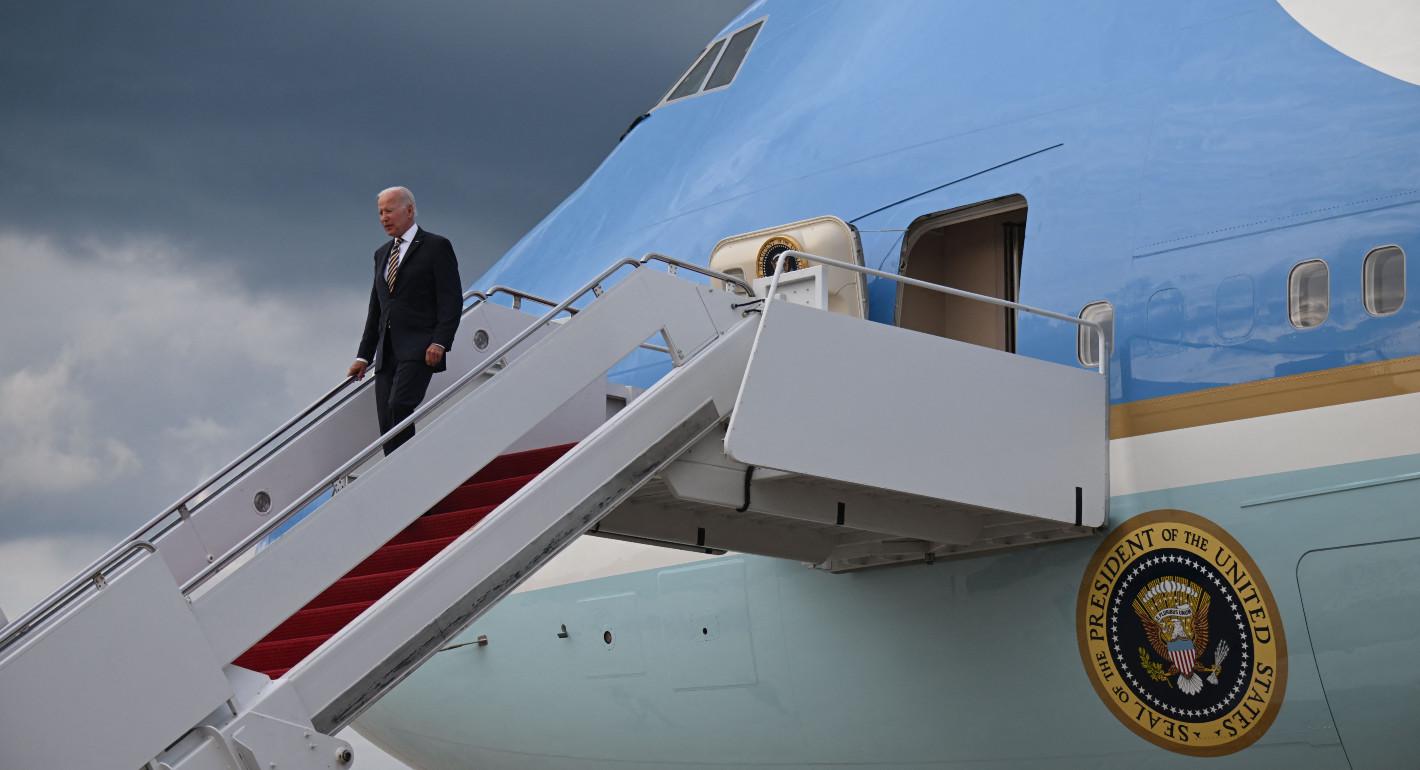
Over the past several months, the Biden administration has made numerous moves to clarify or change approaches to China and the Indo-Pacific. President Joe Biden recently traveled to the region to visit Japan and Korea and to meet the Quad leaders, and to announce the Indo-Pacific Economic Framework (IPEF). Last month, Paul Haenle spoke with Evan Medeiros at an event on U.S.-China competition. An excerpt of the event, which has been edited for clarity, is below.
Paul Haenle: In your view, what are the main policy continuities from the last administration? What do you think are the strengths of Biden’s China policy and Asia policy, and where do you think the administration needs to step up its game?
Evan Medeiros: We can start with comparisons between this administration and the last administration. I think the [current] administration gets a bad rap as “Trump lite.” I just think that is an unfair criticism because, sure there are similarities and differences, but the differences, to me, are big, important, sort of chunky differences between the Biden approach and the Trump approach.
In particular, it is important to remember that Biden, from day one, basically said that they are not interested in changing China. So they took regime-change off the table, which is something the Trump administration very specifically embraced.
Number two, the Trump administration wasn’t really interested in working with allies and partners. That literally is the centerpiece of what Biden is doing in terms of his China strategy.
Number three, the Trump team, through their tariffs and other economic measures, was pretty committed to a very robust economic decoupling. That’s not where the Biden administration is. I think the Biden administration realizes there needs to be a judicious and smart approach to economic interdependence to reduce those areas of national security risk and vulnerability, but that trade and investment serves the interests of American businesses, workers, and consumers. The Trump administration didn’t really believe in dialogue. They said dialogue was just a waste of time, and they didn’t really believe in cooperation.
Paul Haenle: Only in the trade space, the negotiations on trade, that was the only dialogue the Trump administration had up and running.
Evan Medeiros: That’s right. And I think the Biden team has shown they’re pretty different. They believe in high-level dialogue. My favorite fun fact of the day is that the administration has been in place for sixteen months, and Biden and [Chinese President] Xi [Jinping] have now talked with each other four times. So that’s basically a high-level meeting every four months. That’s pretty good. Of course, [National Security Adviser] Jake Sullivan met with [China’s senior diplomat] Yang Jiechi in Luxemburg just this week. So clearly, they believe in high-level dialogue, and they’re doing good things with it.
In March, after the Russian invasion of Ukraine, Jake Sullivan met with Yang Jiechi in Rome, and then three days later, President Biden met with President Xi. These high-level dialogues helped the administration succeed in effectively putting a cap on the Russia-China relationship: no military cooperation and sanctions compliance. That is a really serious piece of business.
So, they believe in dialogue, they have demonstrated they can achieve strategic results with that dialogue. The other piece is: they don’t like to talk about this dialogue and the successes from it. They should talk more about it. There is actually limited and episodic cooperation: students are flowing back and forth, the administration last year used very high-level diplomacy to get the Chinese to participate in a coordinated release of the strategic petroleum reserve, the Chinese are still playing ball with the JCPOA [Joint Comprehensive Plan of Action] on Iran. I don’t want to overdo the cooperation point, because the Chinese are not really in the mood to cooperate, but the Biden administration basically said, “Theoretically, when it’s in our interest, we are ready to do that.”
And I give [Secretary of State] Tony Blinken very substantial credit for laying out four baskets in his speech where he could cooperate. And look, those are all politically sensitive issues where he is subject to vulnerability. But my broader point is, where there are differences between Biden and Trump, there are pretty fundamental, chunky, important differences. That’s why I think Biden’s policy is not Trump lite—it’s Biden plus.
Paul Haenle: Given China’s latest declarations and pronouncements regarding territorial waters and military activities outside of Chinese territory and recent actions to intercept Australian aviation activity, is it not inevitable that some form of military conflict will occur between the United States and China?
Evan Medeiros: I am very concerned about the Taiwan issue. I see a lot of loose talk, including on the U.S. side. I think the United States needs to say less and do more, with a greater focus on deterrence and less commentary and discussion about actual U.S. policy, which is muddying the waters. I see hardening positions on all sides, especially in mainland China. I see growing military capabilities.
We’re about to enter into a transition period as Taiwan prepares for its January 2024 election. . . . I worry less about the outbreak of armed conflict—an actual amphibious assault on the part of the People’s Republic of China. What I worry about is a convergence of trends that could precipitate a fourth Taiwan Strait crisis. I am concerned that if Beijing becomes sufficiently frustrated [or] anxious that it [will] decide to throw the equivalent of a strategic brushback pitch against Taiwan. It could do something that tries to convince Taiwan and the United States to stop changing the status quo according to Beijing. We could be on a dangerous trajectory because of growing anxieties, concerns, [and] changes in intentions and capabilities.
The announcement a few weeks ago that Speaker of the House Nancy Pelosi was going to travel to Taiwan created a lot of concern. If that trip had gone forward, it could have been very destabilizing. We need to be aware of actions like that.
Paul Haenle: There’s a lot of interest in Biden’s statements on Taiwan. Three times, in response to questions, he said the United States would get involved militarily to defend Taiwan. The White House then has to roll that back and say that U.S. policy has not changed. Politicians on both sides of the aisle are coming out saying that this is a great development because we need strategic clarity. We need Beijing to know what we will do should something happen. In your view, would a less ambiguous Taiwan policy exacerbate tensions?
Evan Medeiros: We are where we are today [because] the president of the United States has made these statements three or four times, depending on how you count. And I think that’s created an environment of some confusion about the nature of U.S. policy.
We need to tread really, really carefully. Doing things like monkeying around with the components of our One China policy on the State Department website creates all sorts of confusion, increases anxieties, and makes it harder to deter mainland China. The focus needs to be on deterring Beijing. It is going to be really hard to deter mainland China if they think we’re trying to move from a One China policy to a One China, One Taiwan policy.
People forget that our One China policy has many components to it. A big one is the Taiwan Relations Act (TRA) . . . . The preamble of the TRA says very clearly that an action to try to coerce Taiwan militarily will be seen as a grave threat to peace and stability in the western Pacific. That’s pretty explicit. We should just use that language in the TRA and remind Chinese officials about that.

Former Maurice R. Greenberg Director’s Chair, Carnegie China
Paul Haenle held the Maurice R. Greenberg Director’s Chair at the Carnegie Endowment for International Peace and is a visiting senior research fellow at the East Asian Institute, National University of Singapore. He served as the White House China director on the National Security Council staffs of former presidents George W. Bush and Barack Obama.
Nonresident Senior Fellow, Asia Program
Evan S. Medeiros is a nonresident senior fellow in the Asia Program at the Carnegie Endowment for International Peace.
Carnegie does not take institutional positions on public policy issues; the views represented herein are those of the author(s) and do not necessarily reflect the views of Carnegie, its staff, or its trustees.
Beijing regulated AI—and then Chinese AI companies took off.

Matt Sheehan
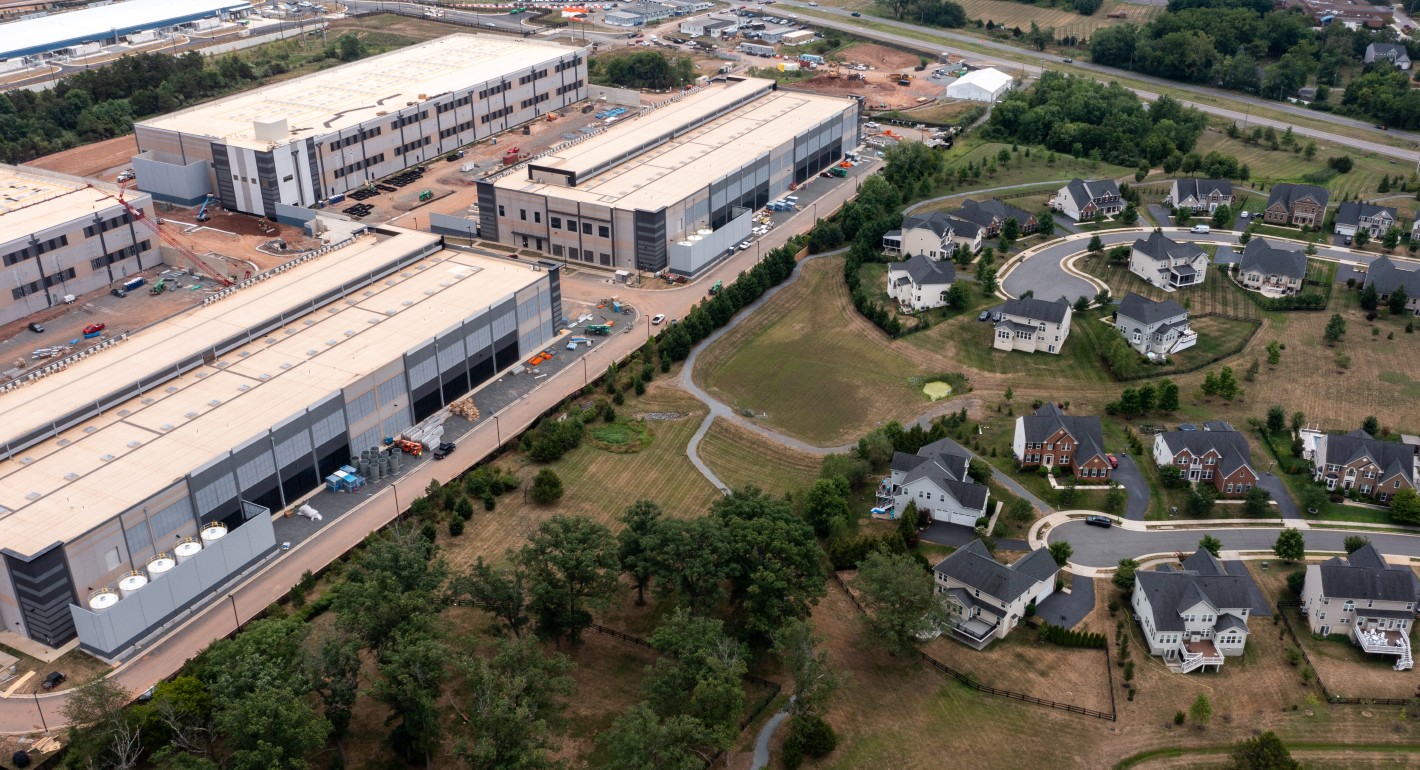
Examples from Virginia and Lake Tahoe reveal complex situations that governments could use to fund critical grid upgrades.

Kate Gordon, Noah Gordon
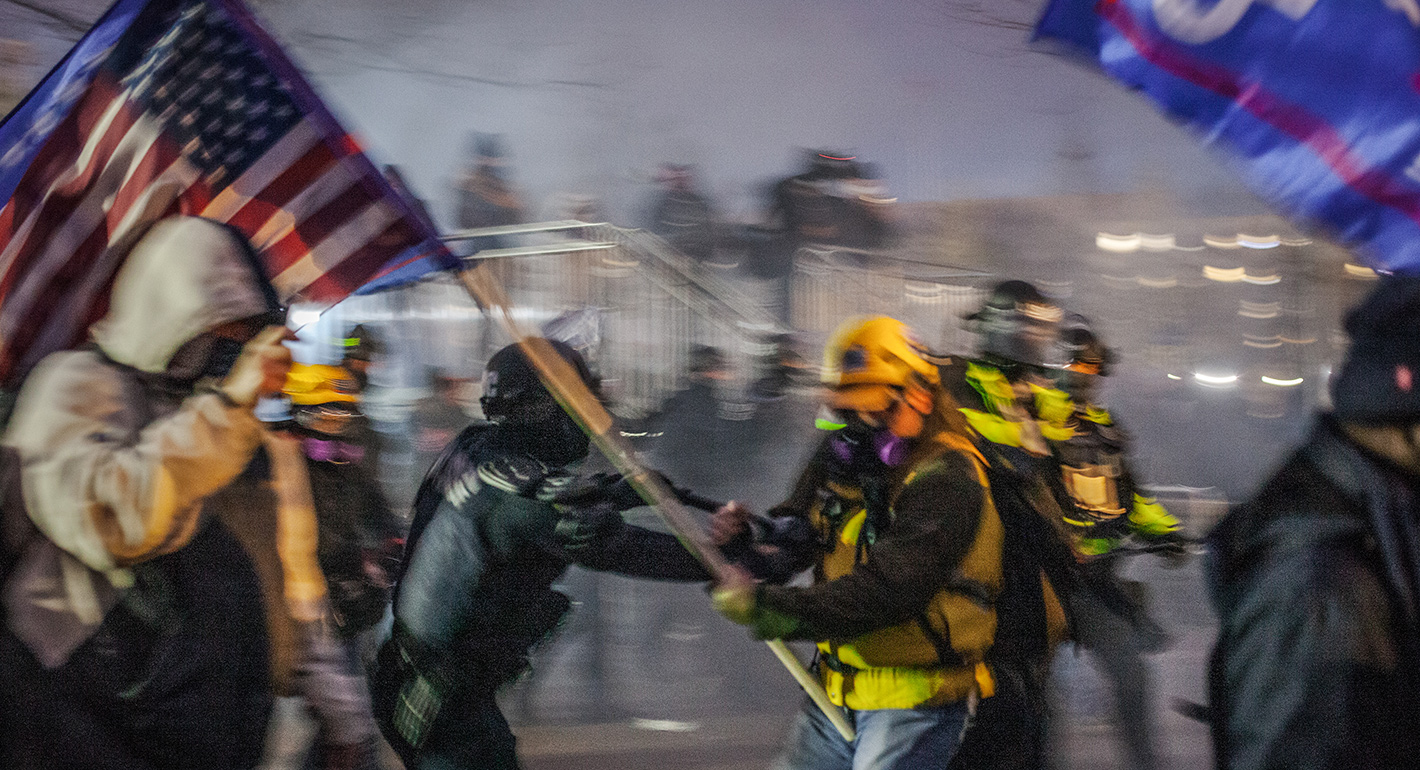
What is political violence and what works to reduce it.

Political Violence Researchers, Rachel Kleinfeld, ed., Dalya Berkowitz, ed.
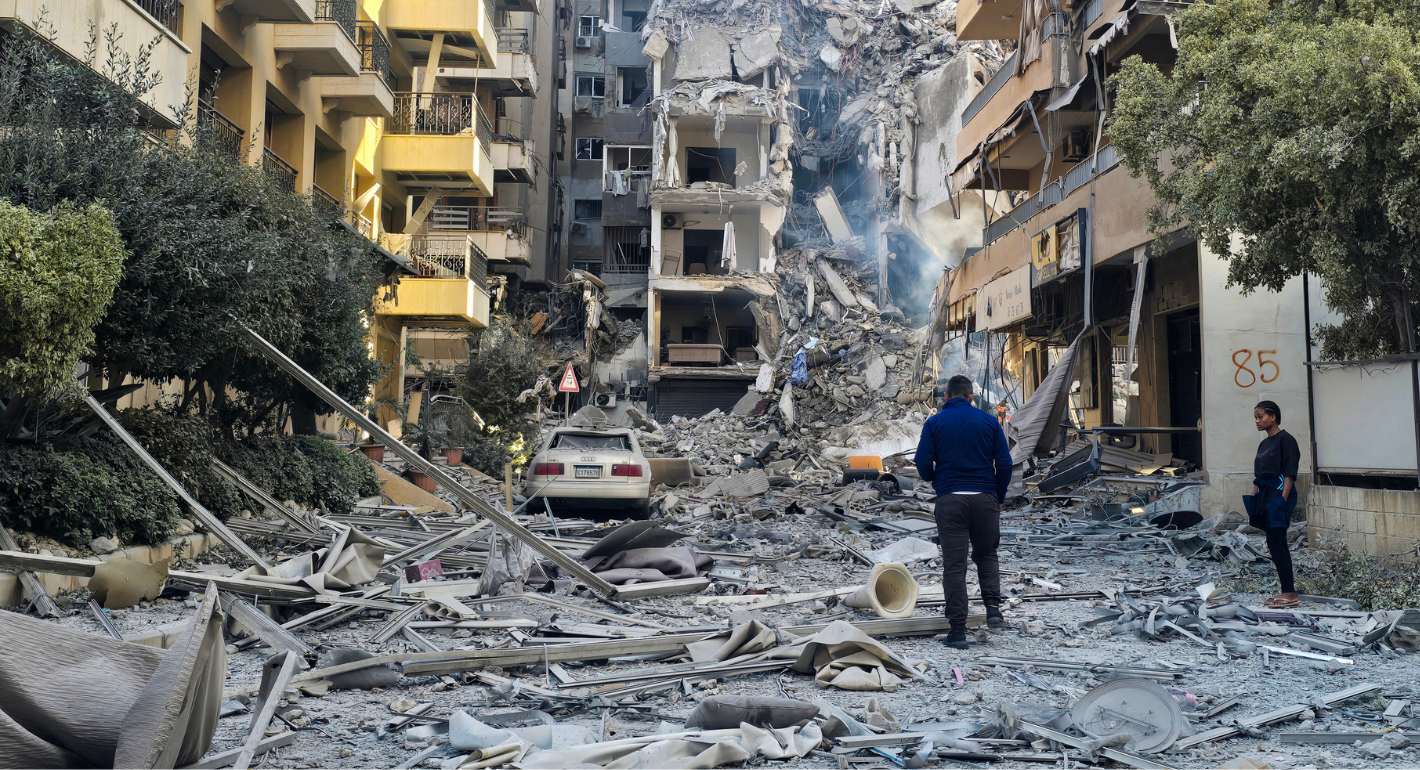
Europe seems to have accepted its sidelining in the Middle East. The EU must reassert its support for the international rules-based order and step up engagement.

Rym Momtaz
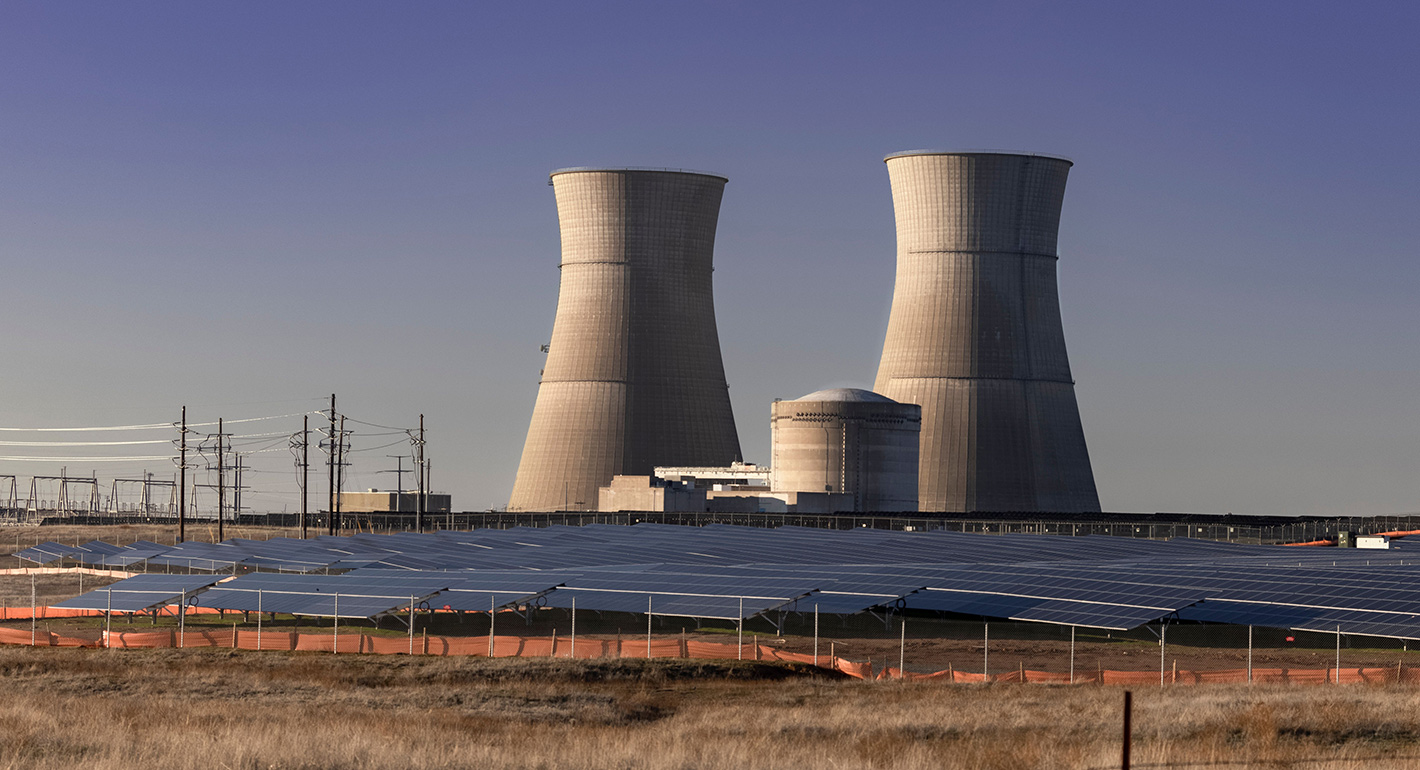
The coming decade will require technology companies to decide how nuclear fits into their energy strategies—and grapple with the obligations that follow.
John Pendleton, Mackenzie Schuessler